
Whose Priority is it Anyway?
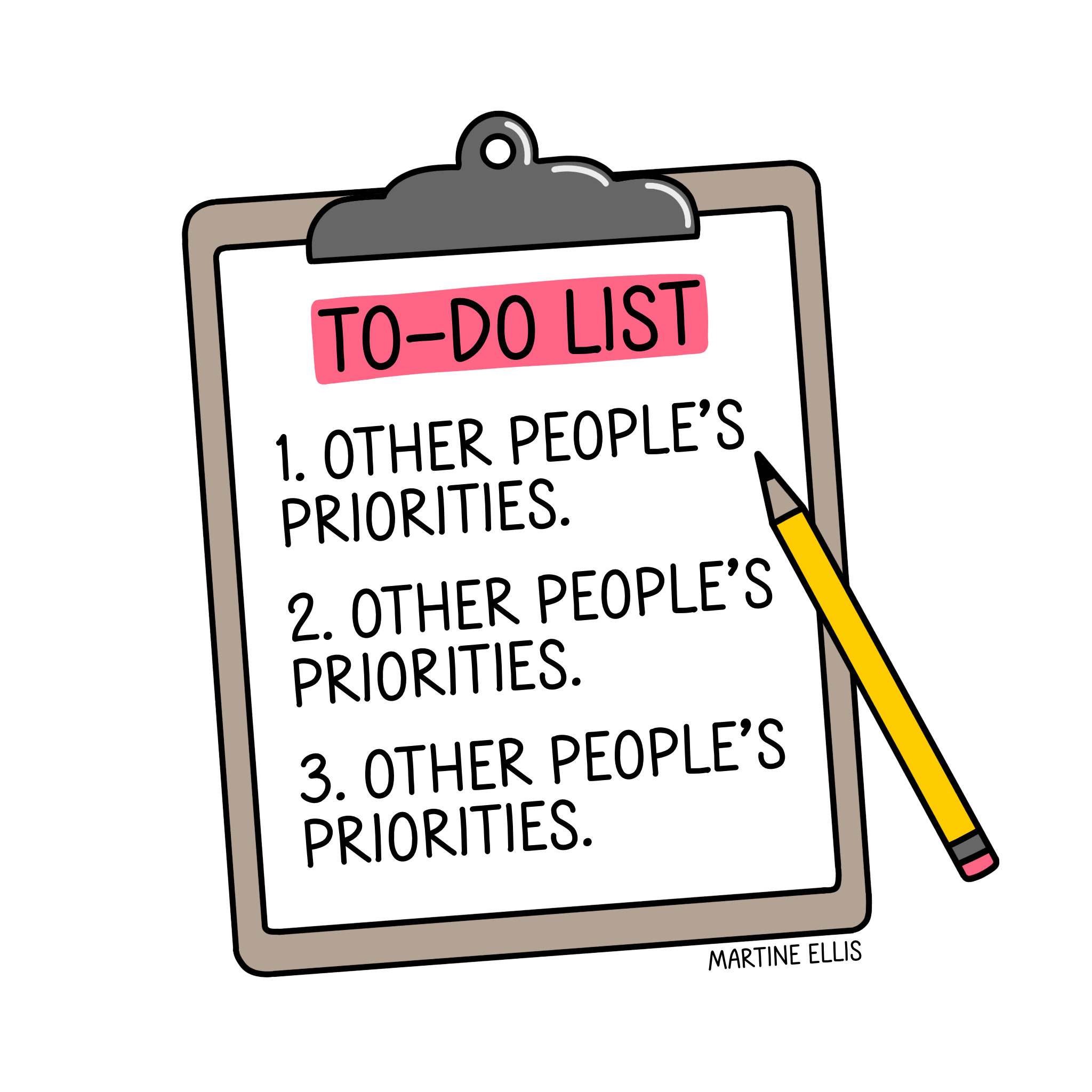
If you do not actively prioritise your workload, other people will do it for you.
Typically, the person who shouts the loudest takes the top position. Your workday then becomes a series of reactive moves where everyone else’s priorities come before your own.
You might feel this is unavoidable, but you have more agency than you realise. You can reclaim control by shifting from reactive to proactive prioritisation. This ensures your efforts align with your and your organisation's wider priorities, rather than the loudest demands.
One way to proactively prioritise is to defer your response to work requests. Instead of an immediate yes, explain that you will check your current commitments and get back to the requester in an hour. This tactical pause gives you the space to evaluate the request against your existing workload.
Proactive prioritisation also involves negotiation. If a manager presents an urgent task that conflicts with other high-priority work, provide a choice. Explain that you can complete the new task, but another deadline must be moved to compensate. This approach focuses on your actual capacity. It ensures your workload remains sustainable while staying aligned with team objectives.
If your autonomy feels restricted, start with micro-boundaries. Block off 15 minutes on your calendar for high-value work. These small blocks of time help you build the habit of choosing your focus rather than merely responding to others.
High performance requires you to control your time. You must be the one to decide what matters most; do not leave that choice to the most demanding person in your inbox.
